w to choose the right tube bender for your fabrication shop
In modern fabrication environments, precision bending plays a critical role in producing high-quality components. Whether you are working with structural frameworks, automotive parts, or industrial assemblies, selecting the right tube bender directly impacts accuracy, efficiency, and overall productivity.
With multiple options available in the market, choosing the most suitable tube bending solution requires a clear understanding of your operational needs and technical requirements.
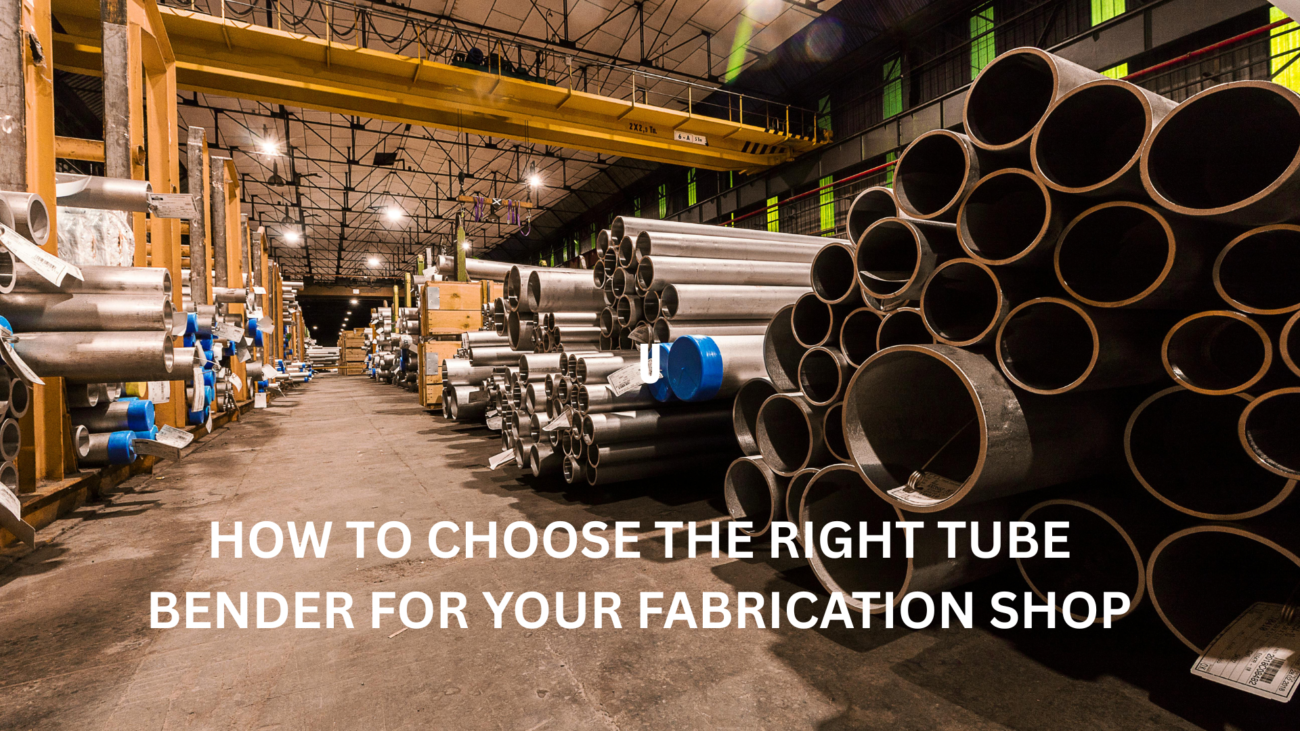
Why selecting the right tube bender matters
A tube bender is not just another machine—it is a core part of your fabrication workflow. The right choice ensures consistent bends, reduces material waste, and improves production efficiency.
Making the wrong decision can lead to:
- inconsistent bending results
- increased material rejection
- slower production cycles
- higher operational costs
That’s why evaluating the right factors before investing is essential.
Understanding different types of tube benders
Tube benders are available in different configurations, each designed for specific applications.
manual tube benders
These Machines are suitable for low-volume production and simple bending tasks. They require operator effort and are typically used in small workshops.
hydraulic tube benders
Hydraulic systems offer more power and are ideal for handling thicker tubes. They provide better control compared to manual machines.
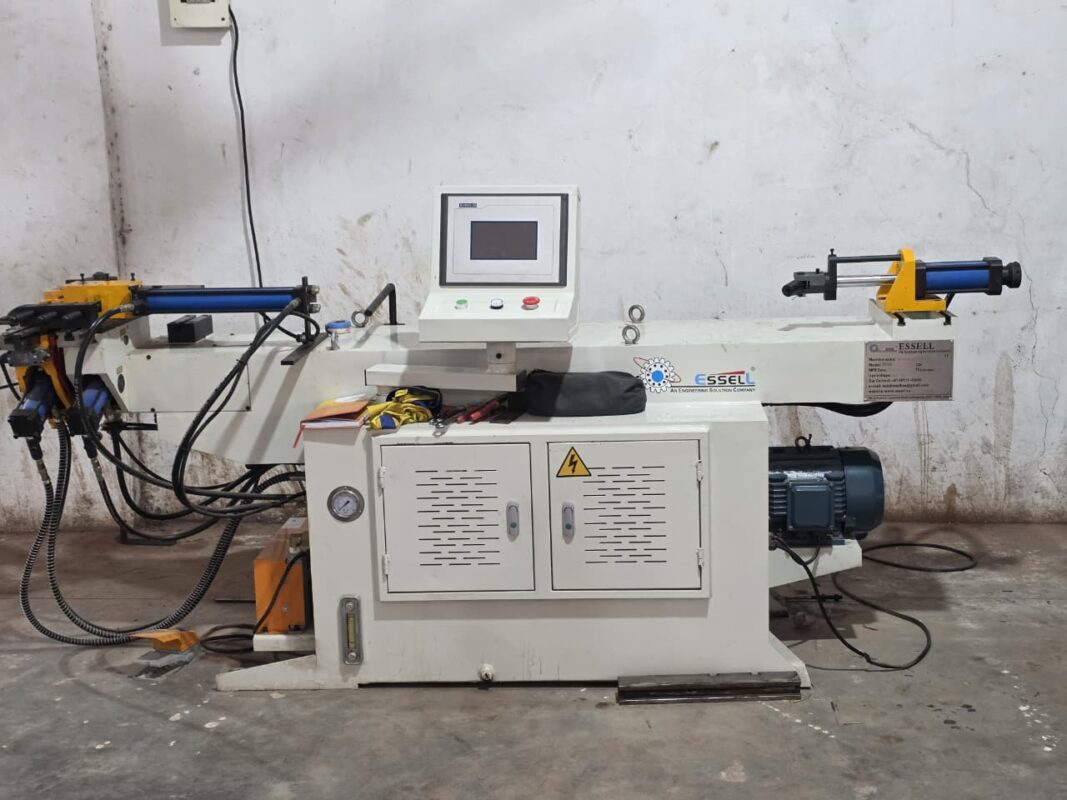
cnc tube benders
CNC-based systems are fully automated and designed for high-precision, high-volume production. They allow complex bending operations with minimal manual intervention.
Choosing the right type depends on your production scale and complexity.
Material compatibility and requirements
One of the first factors to consider is the type of material you will be working with. Different tube benders are designed to handle various materials, such as:
- steel
- stainless steel
- aluminum
- copper
Each material has different properties, so the machine must be capable of delivering accurate bends without causing damage or deformation.
Tube size and bending capacity
The size and thickness of the tubes you plan to process play a crucial role in machine selection.
Key considerations include:
- maximum tube diameter
- wall thickness
- bending radius
Ensuring that the machine can handle your required specifications is essential for achieving consistent results.
precision and repeatability
In modern fabrication, accuracy is critical. A high-quality tube bender should deliver consistent results across multiple production cycles.
CNC tube benders are particularly effective in achieving:
- precise bend angles
- repeatable results
- minimal variation
This is especially important for industries that require tight tolerances.
Production volume and efficiency
Your production requirements should guide your choice of tube bender.
For low-volume operations, manual or hydraulic machines may be sufficient. However, for high-volume production, CNC systems offer significant advantages in terms of speed and efficiency.
Automated systems help reduce cycle time and improve overall productivity.
ease of operation and software integration
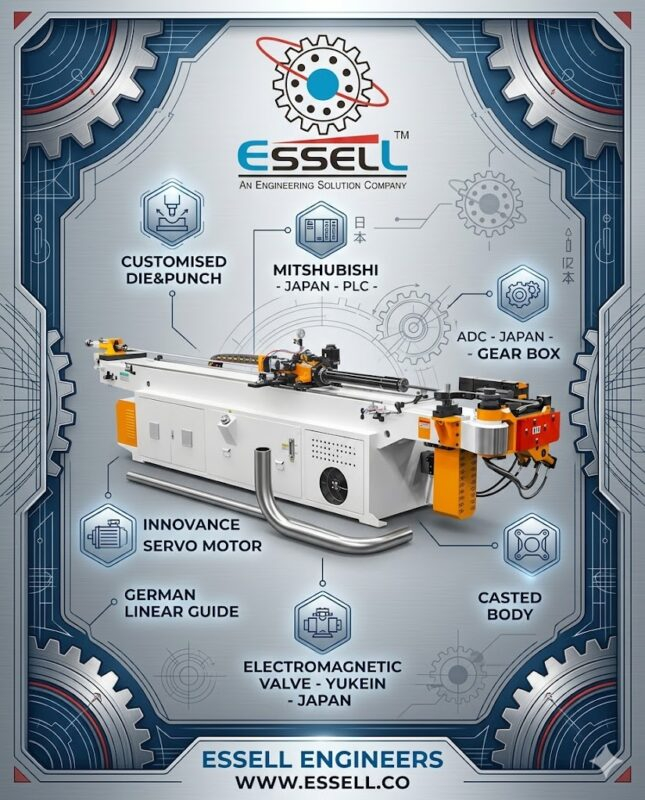
Modern tube benders are equipped with advanced control systems that simplify operation.
important features include:
- user-friendly interfaces
- programmable bending sequences
- compatibility with design software
- real-time monitoring
These features help operators achieve accurate results while reducing setup time.
machine durability and build quality
A tube bender is a long-term investment, so build quality is an important consideration.
machines constructed with strong materials and precision engineering offer:
- stable performance
- longer lifespan
- reduced maintenance needs
Investing in a durable machine ensures consistent output over time.
maintenance and service support
Maintenance requirements and service support play a major role in machine performance.
Choose a manufacturer that offers:
- reliable technical support
- easy access to spare parts
- regular maintenance assistance
This helps minimize downtime and ensures smooth operation.
cost vs long-term value
While budget is an important factor, focusing only on the initial price can be misleading.
A better approach is to evaluate:
- machine performance
- operational efficiency
- maintenance costs
- long-term reliability
A machine that delivers consistent results and requires less maintenance provides better value over time.
Why Essell Tube Bending Solutions Stand Out
at essell. Tube bending solutions are designed to meet the demands of modern fabrication shops. The focus is on delivering precision, reliability, and advanced performance.
essell offers:
- advanced CNC tube bending technology
- robust machine construction
- high accuracy and repeatability
- efficient operation
- dependable after-sales support
By aligning technology with industry needs, essell helps businesses improve productivity and achieve consistent results.
Conclusion
Choosing the right tube bender for your fabrication shop requires a detailed understanding of your production requirements, material specifications, and operational goals. The right machine can significantly enhance efficiency, reduce waste, and improve product quality.
By carefully evaluating key factors such as machine type, capacity, precision, and support services, businesses can make informed decisions that drive long-term success. With a trusted partner like essell, investing in tube bending technology becomes a strategic step toward achieving manufacturing excellence.