The future of Metal fabrication: Trends Shaping Next-Generation Manufacturing
The metal fabrication industry is undergoing a major transformation driven by rapid technological advancements and evolving industrial demands. As global competition intensifies, manufacturers are shifting toward smarter, faster, and more efficient production methods. The future of metal fabrication is not just about cutting and shaping materials—it is about integrating innovation, automation, and digital intelligence into every stage of the process.
Businesses that adapt to these changes will gain a strong competitive advantage, while those that rely on traditional methods may struggle to keep pace with modern manufacturing standards.
Evolution of metal fabrication technologies
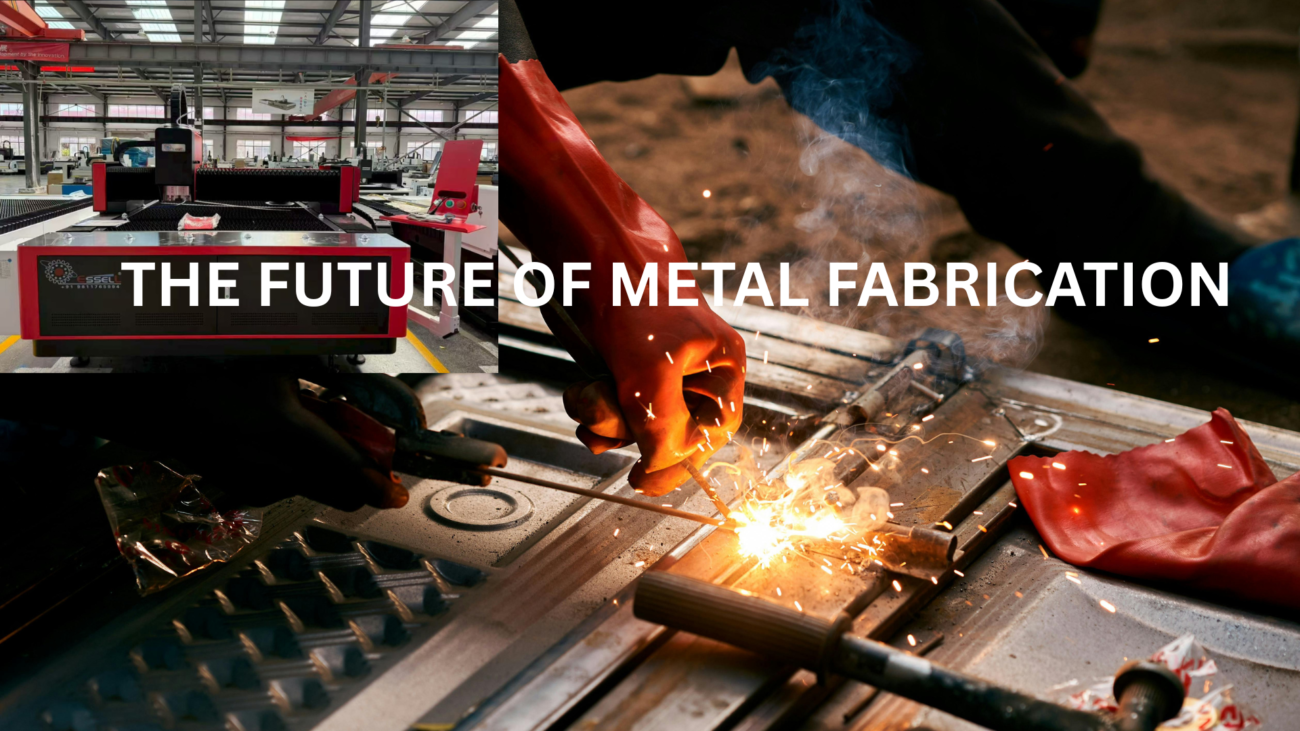
Metal fabrication has come a long way from manual processes and conventional machinery. Today, advanced technologies such as CNC systems and laser cutting have redefined how materials are processed.
Modern fabrication systems focus on:
- higher precision
- faster production cycles
- reduced material wastage
- improved consistency
This evolution is paving the way for a more efficient and scalable manufacturing environment.
Rise of automation in fabrication
Automation is one of the most significant factors shaping the future of metal fabrication. Manufacturers are increasingly adopting automated systems to improve efficiency and reduce manual dependency.
Automation benefits include:
- consistent production output
- Reduced human error
- faster processing times
- optimized resource utilization
Automated fabrication systems allow businesses to scale operations while maintaining quality standards.
integration of smart manufacturing
Smart manufacturing is transforming the way fabrication processes are managed. Advanced systems now include intelligent features that enable real-time monitoring and data-driven decision-making.
Key elements of smart manufacturing include:
- iot-enabled machines
- real-time performance tracking
- predictive maintenance systems
- data analytics for process optimization
These technologies help manufacturers improve efficiency and minimize downtime.
With the growing importance of precision engineering
as industries demand more complex and high-quality components, precision engineering is becoming increasingly important. Modern fabrication processes must deliver accurate results with minimal variation.
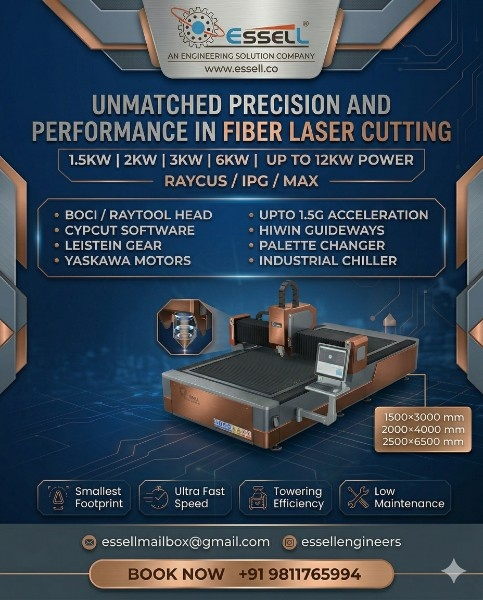
advanced technologies such as fiber laser cutting enable:
- intricate design execution
- Tight tolerance control
- Consistent output quality
Precision is no longer optional—it is a critical requirement for staying competitive.
Sustainability and energy efficiency
environmental concerns are influencing the future of metal fabrication. Manufacturers are focusing on sustainable practices to reduce their environmental impact.
Key sustainability trends include:
- energy-efficient machinery
- reduced material waste
- eco-friendly production processes
- optimized resource utilization
Adopting sustainable practices not only benefits the environment but also reduces operational costs.
Role of advanced materials
The use of advanced materials is another factor shaping the future of metal fabrication. Industries are exploring new alloys and composites that offer better strength, durability, and performance.
Fabrication technologies must evolve to handle these materials effectively, requiring more advanced and adaptable machinery.
Digitalization and software integration
Digital tools are playing a crucial role in modern fabrication processes. Software integration allows seamless communication between design, production, and quality control systems.
Benefits of digitalization include:
- improved design accuracy
- faster production planning
- better workflow management
- enhanced productivity
This integration helps manufacturers achieve greater efficiency and precision.
Customization and flexible manufacturing
The demand for customized products is increasing across industries. Manufacturers must be able to produce small batches and unique designs without compromising efficiency.
Flexible fabrication systems enable:
- quick design modifications
- efficient small-scale production
- reduced setup times
This shift toward customization is driving innovation in fabrication technology.
Challenges in the future of metal fabrication
While the future offers significant opportunities, it also presents challenges that manufacturers must address.
common challenges include:
- high initial investment in advanced machinery
- need for a skilled workforce
- integration of new technologies
- maintaining cost efficiency
Overcoming these challenges requires strategic planning and the right technology partner.
Why Essell is ready for the future of metal fabrication
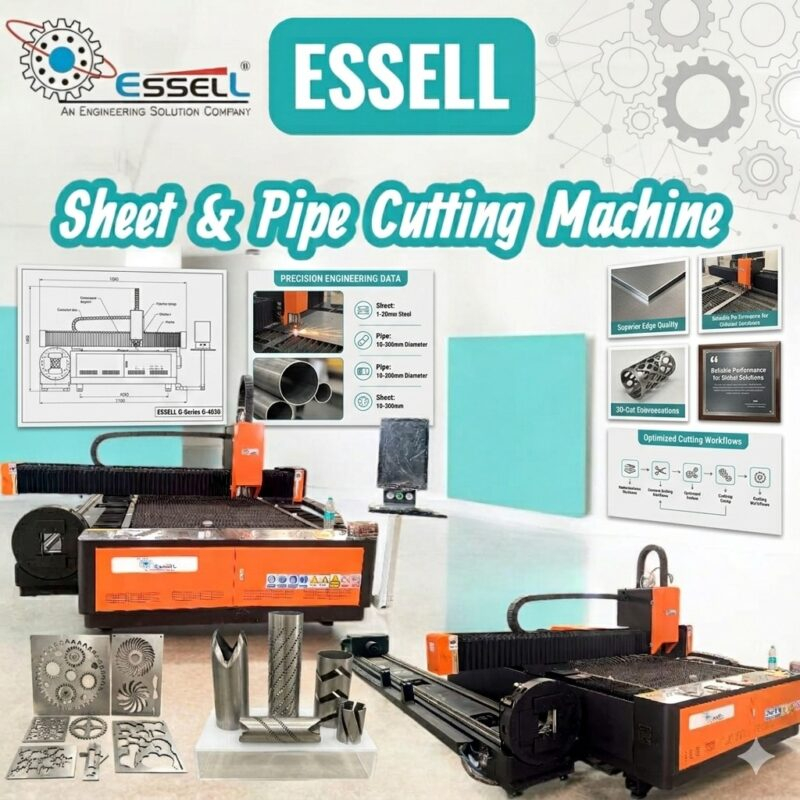
At Essell, the focus is on developing advanced fabrication solutions that align with future industry trends. essell combines innovation, precision engineering, and customer-focused design to deliver machines that meet modern manufacturing needs.
essell offers:
- advanced laser cutting technology
- robust and reliable machine construction
- high precision and consistent performance
- energy-efficient systems
- dependable after-sales support
By staying ahead of technological advancements, essell helps businesses prepare for the future of metal fabrication.
conclusion
The future of metal fabrication is driven by automation, smart manufacturing, precision engineering, and sustainability. As industries continue to evolve, manufacturers must adopt advanced technologies to remain competitive.
Businesses that invest in modern fabrication solutions will benefit from improved efficiency, reduced costs, and enhanced product quality. With a trusted partner like essell, embracing the future of metal fabrication becomes a strategic step toward long-term success.